
Freelancers vs. Remote Teams vs. Traditional Employees: The Ultimate Comparison for Modern Businesses
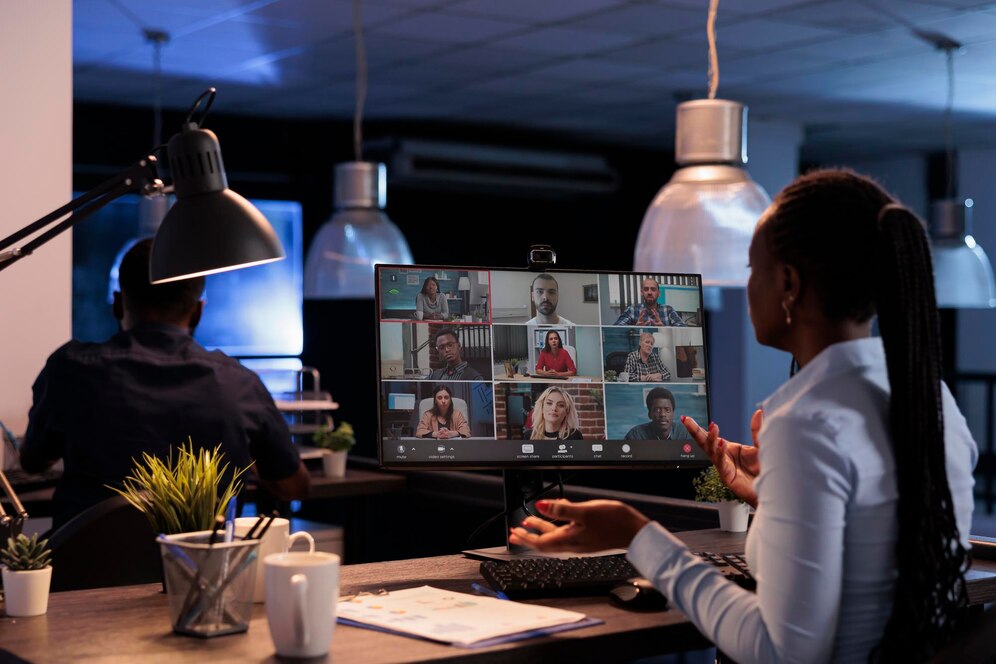
Introduction: Here’s a controversial truth, if you’re still managing your business with a traditional in-house team, you’re probably missing out. That’s right! The days of relying solely on full-time, office-based employees are quickly becoming a thing of the past. The freelancer revolution and the rise of remote teams are here, and they’re forcing businesses to rethink how they work, scale, and grow. Let’s face it. The old model doesn’t always cut it anymore. As businesses evolve, there’s a massive opportunity to build agile, flexible, and global teams without being tied to a single location. The question is: Which workforce model is best for your business? Freelancers, remote teams, and traditional employees all have their perks, but which one fits your business goals? In this blog, we’ll break down the core differences between these three models and how to leverage each for your unique needs. Get ready to rethink how you manage your workforce and scale effectively. Buckle up! 1. Flexibility vs. Stability: The Core Comparison Freelancers:Ah, the freedom and flexibility of the gig economy. Freelancers are the lone wolves of the business world, offering project-based work that’s fast, efficient, and specific. Need a logo designed? Hire a graphic designer for a week. Need a content writer for an upcoming launch? Find a freelancer who can churn out engaging posts in no time. Freelancers offer businesses freedom—freedom to scale quickly, adapt to changing needs, and only pay for what you need. But here’s the catch, freelancers aren’t always reliable for long-term, strategic growth. Yes, they’re perfect for short-term projects, but once those projects are done, what then? Freelancers may come and go, and unless you build strong contracts, they might be working for your competitors next week. It’s a trade-off between flexibility and stability. Real-life scenario: Picture this: You’re launching a new website and need it done fast. A freelancer can step in, create a high-quality design in a matter of weeks, and be out the door. The job’s done, but what about ongoing updates and maintenance? Suddenly, you realize that you need a more reliable solution for long-term projects. Remote Teams:Now, imagine you have a group of remote professionals, each working from different corners of the globe, but they’re all rowing in the same direction. You get flexibility, the ability to hire the best talent from anywhere but you also get stability, as the team stays intact for months or even years. Remote teams are ideal for businesses that need consistent, ongoing work from employees without the traditional office constraints. They may be scattered across the globe, but they’re still accountable and dedicated to the same goals. This model is great for long-term projects, internal processes, and strategic objectives that demand more than a one-off solution. Real-life scenario: A global SaaS company based in London builds a remote team across North America, Europe, and Asia. Each team member brings expertise in their region, but all are aligned with the same vision and goals. This allows the company to scale without geographical boundaries, ensuring steady growth and development while staying flexible with work schedules. Traditional Employees:Then, we have the old guard; traditional employees. These folks work in-house, on-site, and often as part of a large, fixed workforce. The advantage here is stability, you know exactly who you’re dealing with, and you have a team that’s fully integrated into your company culture. No more waiting for freelancers to deliver. These employees are your core team, the ones who are invested in your success. But let’s not ignore the downsides: cost. The salaries, benefits, office space, equipment, everything that comes with a traditional employee model adds up. These costs can be a burden for small businesses or companies looking to scale quickly without large overheads. Real-life scenario: A marketing firm in New York hires a full-time, in-house team of designers, marketers, and developers. While the company is able to maintain control over their projects, it’s also dealing with high costs of office space and the limitations of managing all employees under one roof. The firm is stable but at the expense of flexibility. 2. Cost Efficiency: Which Model Saves You More? Freelancers:Freelancers are the ultimate cost-savers when it comes to short-term projects. You’re paying for exactly what you need: no more, no less. The only catch? Freelancers tend to be more expensive per hour than full-time employees, especially if their work involves specialized skills. But since you’re not paying for benefits, office space, or equipment, freelancers can be an extremely cost-effective option when you need to scale quickly or tackle specialized tasks. Remote Teams:When it comes to cost efficiency, remote teams offer a sweet spot between freelancers and traditional employees. You can hire a team of remote professionals who work for you full-time but are based in locations with lower costs of living. This gives you the benefit of long-term collaboration and cost savings without the high price of in-house operations. Traditional Employees:Traditional employees come with a steeper cost; salaries, benefits, and the overhead of maintaining an office. For companies that need consistent long-term support and have in-house training systems, traditional employees may make sense. But for businesses that want to keep costs low and stay nimble, this model can be limiting. 3. Management and Collaboration: How Do They Work Together? Freelancers:Freelancers work best when they have clear instructions and well-defined tasks. You can outsource specific projects, but you may need to manage them on a per-task basis. They aren’t deeply embedded in your company’s day-to-day operations. The collaboration? Well, it’s task-based, not long-term teamwork. Remote Teams:Managing a remote team requires a different level of strategy. You need to make sure that team members in different time zones have the tools and processes to communicate effectively. Asynchronous communication becomes key, as does maintaining a strong culture of accountability. Collaboration with remote teams can be incredibly rewarding—as long as you keep communication open and implement the right collaboration tools. Traditional Employees:Managing traditional employees gives you more direct control. They’re physically present in your