

Introduction: Why CAC is Quietly Suffocating Growth
Customer Acquisition Cost (CAC) has always mattered — but in 2025, it is now the defining pressure point across B2B commercial markets.
Energy brokers are fighting shrinking margins and volatile acquisition costs.
Telco account teams are battling price-sensitivity and shifting loyalty dynamics.
MSPs are struggling with lead fatigue as prospects shop aggressively across providers.
Whether you sell tariffs, connectivity, infrastructure, or managed IT services — you can feel it:
Acquiring one customer is getting more expensive.
More competitive.
More operationally taxing.
And ultimately, more unpredictable.
The natural instinct is the traditional response:
- hire more reps
- increase outreach
- run more ads
- build more sequences
- improve tracking tools
- add automation
But in fiercely competitive markets, these “solutions” often inflate CAC instead of reducing it, because the true source of waste is not volume…
…it’s inefficiency.
It’s leakage.
It’s misalignment.
And increasingly, the answer is no longer more salespeople — but the right kind of sales capacity.
Which is where remote BDR teams are quietly rewriting the economics.
The CAC Fallacy: Volume ≠ Growth
Most companies assume CAC comes from:
- ad spend
- tools
- salaries
- commissions
But in reality, the biggest CAC drains are far less obvious:
(1) Reps chasing the wrong personas
(2) Too many meetings with non-buyers
(3) Campaigns missing timing triggers
(4) No intelligence layer behind outreach
(5) Poor data hygiene
(6) No continuity across pipeline efforts
In Energy, this looks like:
4 conversations to discover renewal dates, sometimes with the wrong contact entirely.
Meaning more time, more labor, more waste.
In Telco:
Meetings without the bill-payer, or no bill copy collected — resulting in unquotable leads.
In MSPs:
Pipeline filled with “interested” prospects lacking budget allocation, systems alignment or technical urgency.
These hidden costs bleed acquisition profitability long before close.
And they are precisely what remote BDR teams fix.
Why Remote BDR Teams Lower CAC — Mechanically, Financially & Strategically
1. They reduce the number of wasted conversations
Not every meeting is valuable.
Not every prospect is ready.
Not every contact is the right buyer.
Remote BDR teams specialise in pre-qualification, meaning your closers spend more time closing and less time filtering.
Result:
More qualified calendar time
Fewer dead-end conversations
Lower cost per revenue hour
2. They replace expensive roles with lower-cost high-output talent
Hiring SDRs and BDRs internally is expensive.
Salaries. Training. HR overhead. Infrastructure. Ramp time. Turnover.
By contrast:
A remote BDR pod =
lower headcount cost
lower operational burden
faster onboarding
lower churn risk
more flexible scalability
Cost Reduction vs In-House SDR:
≈ 60% – 70% average reduction
That reduction flows directly into CAC improvement.
3. They solve the timing problem
In competitive markets…
timing matters more than messaging.
Momentum-enabled BDRs use:
- intent triggers
- buying signals
- renewal windows
- behavioural intelligence
- ICP shift data
- event-driven outreach
Meaning they enter at the right window, not merely the earliest one.
When timing improves, CAC follows.
4. They dramatically increase usable data density
This is the hidden transformation.
A great BDR team doesn’t only book meetings.
They enrich pipeline intelligence.
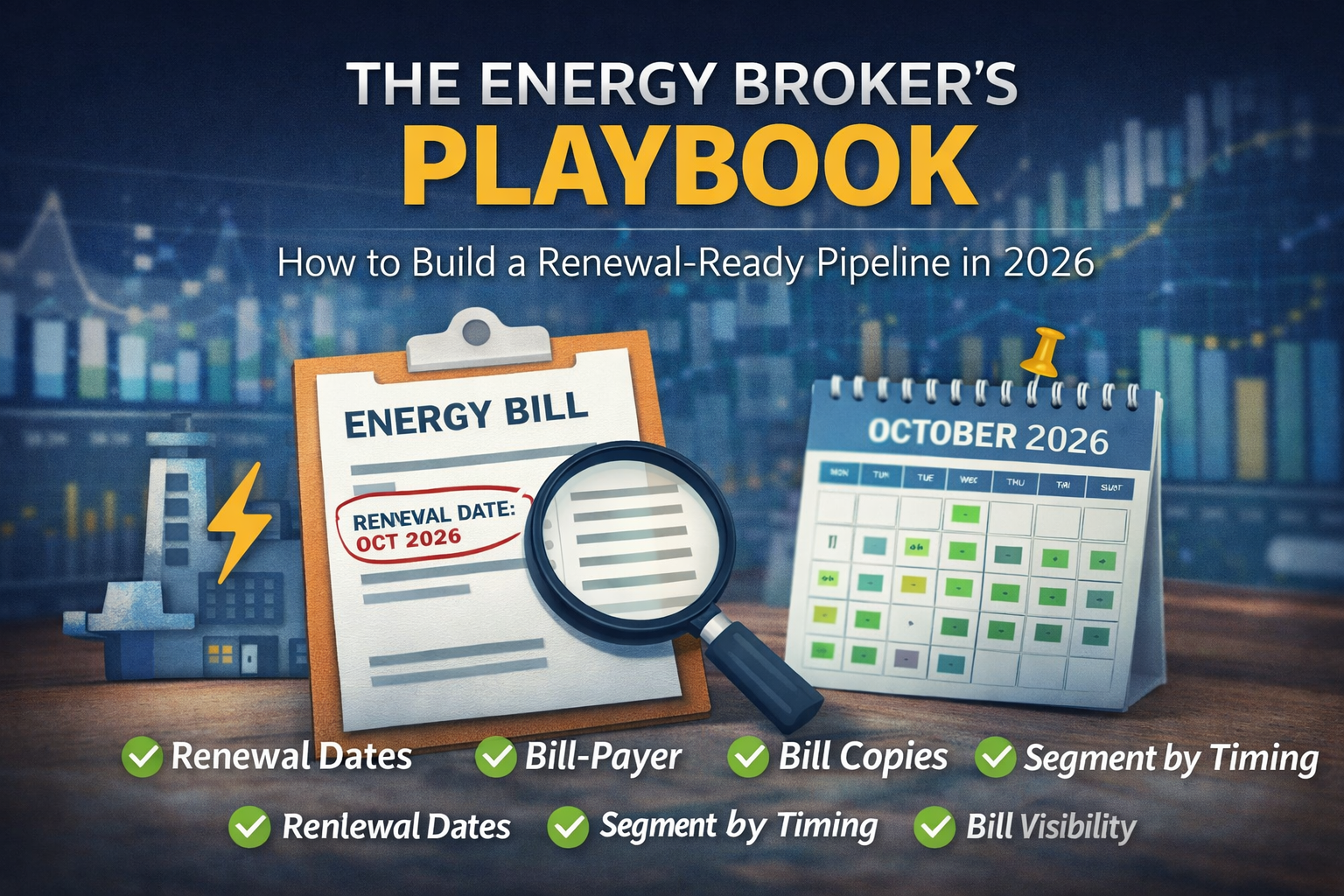
For Energy B2B:
- Who approves the bill?
- When is renewal?
- Do they have a supporting bill copy?
- Are they comparing suppliers?
For Telco vendors:
- Who owns network decisions?
- What infrastructure are they on?
- When are they due for refresh?
- What quotes are they comparing?
For MSP providers:
- What tools are they using?
- What’s missing or broken?
- Who controls IT budget?
- Which systems trigger urgency?
This intelligence compresses CAC because:
Sales doesn’t “search for truth.”
They engage with clarity.
5. They stabilise pipeline velocity
Internal sales teams frequently lose momentum due to managerial bandwidth limitations.
Remote BDR teams anchor:
daily research
daily outbound
daily follow-up
daily reporting
daily list hygiene
Pipeline becomes reliable instead of seasonal.
CAC, as a result, becomes predictable instead of reactive.
Energy, Telco & MSP — The Strategic CAC Advantage
Energy
Your CAC decreases when your BDR team can:
- find the real bill-payer
- gather correct renewal timelines
- collect bill copies early
- categorise prospects across urgency tiers
Because your closers stop chasing ghosts.

Telco
Your CAC drops when you reduce:
- quote wastage
- CPQ friction
- data blind spots
- meetings without commercial leverage
In other words:
less time researching, more time quoting.

MSPs
CAC shrinks when:
- pipeline isn’t bloated with “cold interest”
- sales is fed real technical buyers
- urgency is pre-validated
- qualification improves
This turns your sales team from explorers into surgeons.

The Economic Equation: Why CAC Drops
CAC improves because:
Less waste + more timing accuracy + more data + lower cost seats + better qualification + continuous execution = cheaper acquisition
And not theoretically.
Operationally.
Meaningfully.
Visibly.
The Human Layer That Makes It Work
Remote BDR teams are not:
templated
automated
AI-replacing human reps
They combine:
AI precision + Human nuance + Operational consistency
AI finds patterns.
Humans build trust.
That duality lowers CAC not by brute force…
…but by strategic alignment.
Conclusion: The Future of CAC Control Isn’t Internal — It’s Hybrid
Companies who master the next wave of growth won’t:
hire more
spend more
push harder
They will:
deploy leaner
operate smarter
qualify better
time more precisely
reduce waste structurally
Remote BDR teams provide that transformation.
And in markets as fiercely contested as Energy, Telco, & MSP…
that transformation isn’t optional.
It is survival.
If reducing CAC while increasing qualified pipeline is on your agenda this quarter…
I’d like to show you what a remote BDR system looks like implemented inside real Energy, Telco & MSP operations.
Share your preferred availability here:
[Availability Form]Let’s discuss where CAC is silently leaking —
and how to stop it at the source.