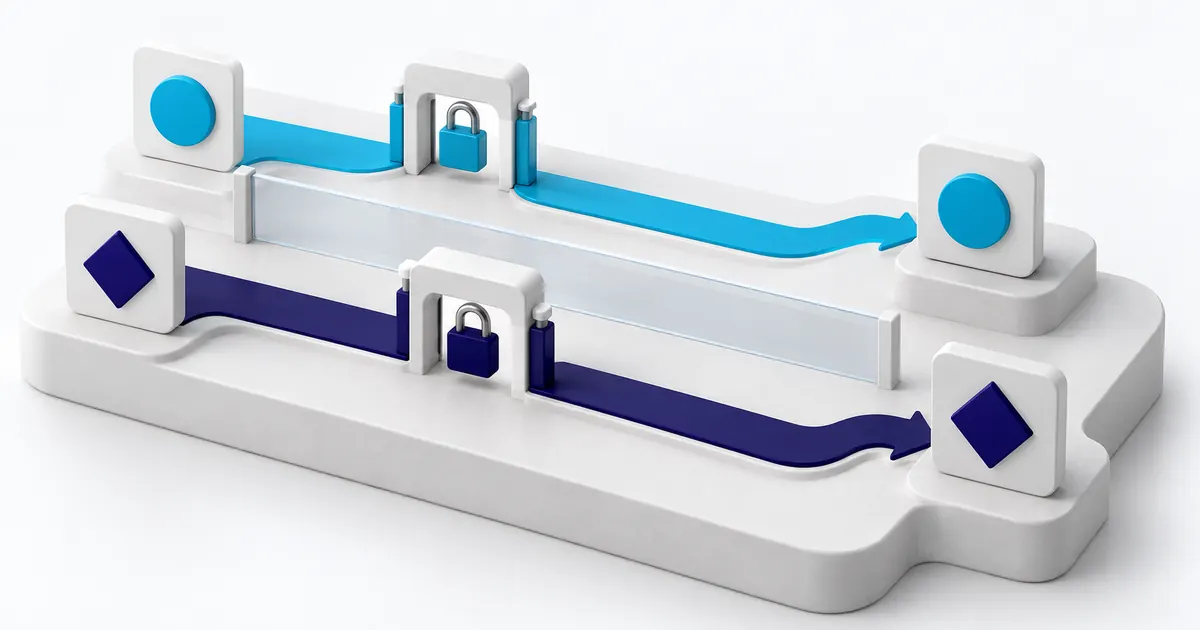


The deal is won. Delivery opens the record and asks: which service was agreed, who is the main contact and when did we promise to start?
Sales handover automation can move approved information into a delivery process and create the next tasks. It works best when “ready to hand over” has a clear meaning. A change in sales stage alone may not provide everything the next team needs.
Build the handover around readiness and acceptance, rather than simply sending another notification.
Agree what delivery needs before work can begin
Ask the receiving team which missing details most often force them to chase sales. Keep the required information focused on what is genuinely necessary for that type of work.
A practical handover might include the agreed scope, customer contact, relevant documents, delivery owner and any confirmed timing constraints. Additional requirements can vary by service instead of making every deal complete an unnecessarily long form.
Keep agreed commitments separate from internal assumptions. An estimated start date should not appear as a customer promise unless it has been confirmed.
Define the event that starts the handover
The trigger could be an approved readiness status, a completed checklist or another agreed business event. Choose an event that means the required checks have happened.
If a deal moves to won before the handover is ready, the workflow can request the missing information. It does not have to create an incomplete delivery project immediately.
Give that request an owner and a visible status. Otherwise the missing detail has only moved from an email conversation into an unattended system alert.
Create the delivery work from approved information
Once ready, the process could create a project, copy the relevant scope and add the agreed initial tasks. It should retain references linking the delivery record to the source sale and documents.
For example, a hypothetical agency might create an onboarding project after the service scope and delivery lead are approved. The project receives the customer contact, agreed deliverables and a task to confirm the kick-off arrangements. It does not automatically promise a kick-off date merely because the sale closed.
The distinction keeps the next team informed without making commitments on its behalf.
Ask the receiving owner to accept the handover
Creating a project is not the same as confirming that someone has taken responsibility. Include a way for the delivery owner to accept the handover or return it with a clear reason.
Return reasons might include unclear scope, a missing document or a scheduling conflict. Keep the reason attached to the record so sales can correct the issue without reconstructing the conversation.
Agree what happens when acceptance is overdue, including who handles an unavailable owner.
Plan for changes and repeated triggers
Sales records can change after a handover. Decide which changes should update delivery automatically and which require review. A corrected phone number is different from an expanded service commitment.
Also prevent duplicate project creation if the same record passes through the trigger more than once. The workflow should recognise the existing handover and follow the appropriate update route.
Measure the quality of the handover
Track handovers returned for missing information, time awaiting acceptance and projects created more than once. Ask delivery whether they can begin work with the information provided. That feedback is more useful than counting the notifications sent.
Momentum Outbound connects agreed records and activities through CRM and workflow automation. Bring one handover that repeatedly creates questions, and we can scope the rules and checks around it.